

Support Between Your Visits, Not Just At Them
One-on-one virtual coaching with a board-certified clinical coach, built around the plan your Chicago Surgical Clinic provider has already set with you.
Am I Eligible?.jpg?width=2121&height=1414&name=GettyImages-1190116064%20(1).jpg)
Why We Brought Coaching Into the Practice
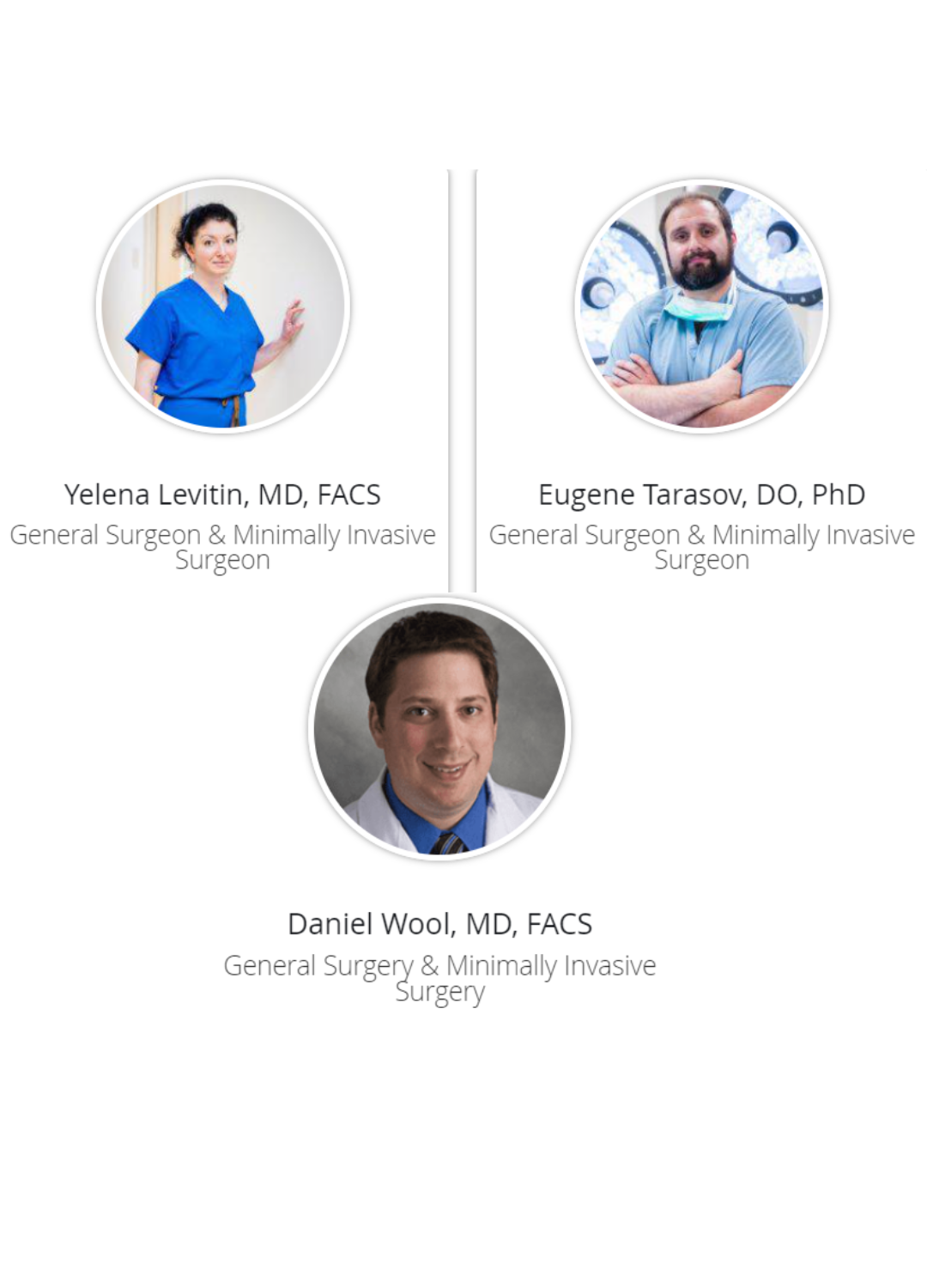
"We partnered with inhealth Lifestyle Therapeutics because what happens between your appointments matters as much as what happens in them.
Surgery, medication, and a treatment plan can only do so much on their own. The daily work of eating well, moving, using your medication as prescribed, and recovering the right way is where most people need support, and it is the part we cannot walk through with you week by week.
That is what your coach is for. You are matched with one board-certified clinical coach who meets with you by video, learns your situation, and helps you put the plan into practice. They document every visit and send notes back to us, so your care stays connected.
Whether you are preparing for a procedure, recovering from one, starting a GLP-1, or managing a condition long term, we would encourage you to use this."
When Coaching Helps
Coaching is not only for weight loss. Here is where it does the most work for our patients.
Before Surgery
The weeks before a procedure are the highest-leverage time to work with a coach.
- Reaching a weight or BMI target your surgeon set before scheduling
- Getting blood sugar and blood pressure into a better range going in
- Quitting or reducing tobacco before your date
- Building protein and nutrition habits so you go in stronger
- Using your CPAP consistently if you have sleep apnea, which matters for anesthesia
- Managing the stress that comes with a scheduled procedure
After Surgery
- Getting back to eating normally, in stages, without guessing
- Hitting protein and fluid targets while you heal
- Returning to activity at the pace your surgeon cleared you for
- Rebuilding routines that fell apart around your procedure
- Staying on track months later, when follow-up appointments space out
If You Are on a GLP-1
Medication changes appetite. It does not build the habits that hold when the dose changes or the medication ends.
- Eating enough protein when your appetite drops
- Staying hydrated and eating in a way your stomach tolerates
- Keeping muscle through strength and activity, not just losing weight
- Knowing what is expected and when to call your prescriber
- Staying consistent with your prescribed schedule
Bariatric Surgery
- Pre-operative preparation and required lifestyle work
- Post-operative eating stages, portions, protein, and supplements as prescribed
- Activity progression through the first year
- Managing regain and getting back on plan
- Emotional eating and the adjustment period
Gallbladder, Reflux, and Digestive Surgery
- Reintroducing foods after gallbladder removal and learning what your system tolerates
- Meal size and timing that reduce reflux and discomfort
- Fiber, fluids, and regular bowel habits after colorectal surgery
- Identifying trigger foods without cutting out more than you need to
- Getting back to a normal, varied diet instead of staying on a restricted one
- Weight and eating changes that reduce symptoms coming back
Hernia Repair
- Reaching the weight target your surgeon set before repair
- Quitting tobacco before your date, one of the biggest factors in healing
- Managing constipation and straining that put pressure on the repair
- Returning to lifting and activity on the schedule your surgeon set
- Blood sugar control going into surgery, which affects wound healing
- Building movement habits that hold long after recovery
Coaching also supports the conditions that show up alongside surgical care: obesity, type 2 diabetes and prediabetes, high blood pressure, high cholesterol, sleep apnea, thyroid conditions, tobacco use, and stress or emotional eating.
What Is a Clinical Coach?
A clinical coach is a certified professional trained to help you reach your health goals through science-based guidance, structure, and consistent accountability.
Every inhealth coach is NBHWC board-certified and trained through our accredited academy in nutrition, behavior change, and chronic disease support. They use motivational interviewing and co-active coaching, delivered through a framework built by physicians board-certified in obesity medicine and sleep medicine.
What your coach does not do: prescribe, adjust your medication, interpret test results, or manage your surgical care. Those questions go to your Chicago Surgical Clinic provider. Your coach helps you follow through on what your care team has already set, and will tell you when something needs a call to the office.
What Your First Visit Looks Like
- 1A 20 to 25 minute video visit with your coach through the app
- 2A full review of your history, your diagnoses, and what has and has not worked for you before
- 3Goals set around your schedule and what you are actually willing to do
- 4An introduction to the four areas every visit covers: symptom management, nutrition, physical activity, and sleep and stress
- 5Your next visits scheduled before you log off
Most patients start weekly, then move to every other week or monthly as habits hold.
What You Get
One coach, every visit. Not a rotating team. Someone who knows your history and holds you to what you said you would do.
Support between visits. Message your coach through the app when something comes up. You do not wait for the next appointment.
Tools that track for you. Meal logging, activity tracking, and connected device syncing, so your coach sees what is actually happening.
A plan built around your life. Your coach starts from your provider's plan and your diagnoses, then builds around your schedule and preferences.
Connected to your surgical team. Every visit is documented and sent back to Chicago Surgical Clinic. Everyone works from the same information.
Habits that outlast the program. The goal is not a plan you follow for eight weeks. It is behavior that holds after coaching ends.
What Our Patients Achieve
Published in peer-reviewed journals and validated through multiple randomized controlled trials. inhealth programs are CDC-recognized. See our clinical research
Ready to Start?
Check your eligibility. It takes about two minutes and tells you whether your insurance covers coaching.
Watch for your email. inhealth will reach out to activate your account and book your first visit.
Download the app and meet your coach.
Questions? Ask at your next visit or call the office at 847-215-0530.
Am I Eligible?From Our Patients
"I have lost 65 pounds since starting the program, my blood pressure is now excellent, and I am in the perfect range for A1c and glucose. I am more active and feel in control of my health."
"My coach did not simply tell me what to do. She explained why, which gave me the incentive to actually try it."
"Knowing what healthy eating really is, how to handle emotional eating, and the importance of tracking. Above all, feeling fantastic having lost 40 pounds."